
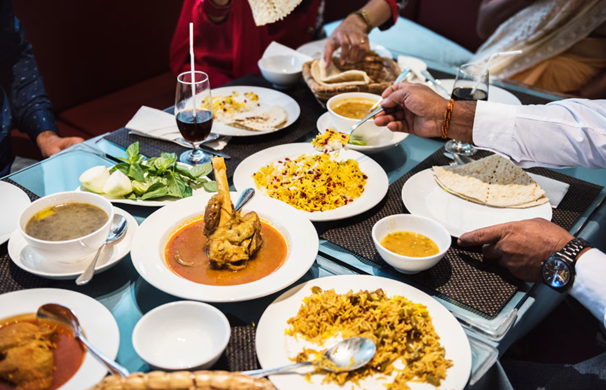
A study published in the journal Appetite found that people who regularly eat spicy food often build a higher tolerance over time. That sounds great until someone confidently orders “extra hot” at an Indian restaurant and spends the next twenty minutes reaching for water.
Indian food is famous for bold flavours, but spice levels can vary widely from one dish to another. Mild does not always mean bland, and hot does not always mean painful. Understanding how spice works can transform your dining experience. This guide explains how to read spice levels, choose dishes wisely, and order heat that genuinely suits your palate.
Spice in Indian Cuisine Means More Than Heat
Many first-time diners assume Indian food is always fiery. It is a common myth. Indian cuisine relies on a broad mix of spices such as cumin, coriander, cardamom, turmeric, cinnamon, and cloves. These ingredients add aroma, depth, and complexity rather than pure heat.
Chilli peppers are only one part of the equation. According to culinary researchers at the Indian Council of Agricultural Research, regional cooking traditions across India use spices differently. Northern dishes often focus on richness and warmth, while some southern dishes feature stronger chilli intensity. A dish packed with spices may still taste surprisingly mild.
Understanding Common Restaurant Spice Ratings
Most Indian restaurants use a simple spice scale. Even then, interpretations differ between venues.
Typical spice descriptions include:
• Mild: Gentle warmth with little chilli heat.
• Medium: Noticeable spice balanced with flavour.
• Hot: Strong chilli presence that lingers.
• Extra Hot: Intense heat designed for experienced spice lovers.
Restaurant chefs often adjust heat levels based on customer preferences. Asking staff for guidance is always worthwhile because one restaurant’s medium may feel quite hot elsewhere.
Recognise Naturally Mild Indian Dishes
Certain dishes are naturally lower in heat and work well for guests exploring Indian cuisine for the first time.
Popular milder options include:
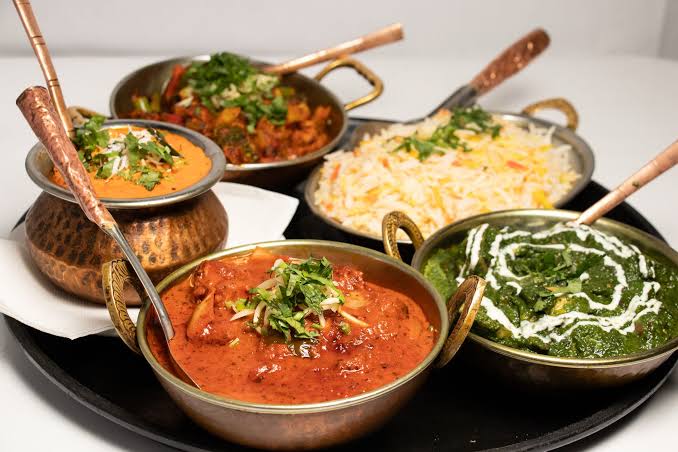
• Butter Chicken
• Korma
• Malai Tikka
• Dal Makhani
• Saag dishes made with spinach
Cream, yoghurt, coconut milk, and butter frequently soften spice levels while still delivering authentic flavour.
Personal experience has shown that diners who begin with milder dishes tend to appreciate Indian cuisine more quickly. Jumping straight into vindaloo rarely ends well for beginners.
Dishes Known for Higher Heat Levels
Some menu items traditionally carry more chilli heat. Ordering these dishes without understanding their profile can be a surprise.
Vindaloo
Originally influenced by Portuguese cooking in Goa, vindaloo is widely recognised as one of the hottest Indian curries. Vinegar, garlic, and generous amounts of chilli create its distinctive character.
Madras Curry
Madras-style curries usually feature a richer chilli presence and deeper spice notes. Heat levels vary, though medium to hot is common.
Chettinad Dishes
Originating from Tamil Nadu, Chettinad cuisine often uses black pepper and dried chillies generously, producing bold flavours with noticeable heat.
Menus sometimes include chilli symbols. Two or three chillies generally indicate a spicier preparation, though asking staff remains the safest option.
Simple Steps to Order the Right Heat
Finding the right spice level becomes easier with a little planning.
Step 1: Assess Your Current Tolerance
Think about foods you already enjoy. Regularly eating spicy Thai, Mexican, or Sichuan dishes often suggests moderate spice tolerance.
Step 2: Speak With Restaurant Staff
Experienced servers understand the menu thoroughly. Mention your spice preference honestly. Phrases such as “slightly spicy” or “medium with less chilli” provide useful direction.
Step 3: Consider Sharing Dishes
Sharing allows diners to sample several flavour profiles without committing to one heat level.
Step 4: Pair Spicy Food Strategically
Rice, naan, yoghurt-based sides, and lassi drinks can balance stronger dishes beautifully.
What to Do If a Dish Feels Too Hot
Even careful ordering occasionally results in unexpected heat.
Helpful ways to cool the palate include:
• Eat plain rice or naan.
• Sip a mango lassi.
• Add yoghurt or raita.
• Avoid drinking large amounts of water immediately.
Capsaicin, the compound responsible for chilli heat, dissolves more effectively in dairy products than water. Food scientists have consistently demonstrated this effect in sensory studies. Fortunately, most restaurants are happy to help if a dish feels overwhelming.
Conclusion
Reading spice levels at an Indian restaurant does not need to feel intimidating. Understanding common spice ratings, recognising naturally mild dishes, and communicating preferences clearly can lead to a far more enjoyable meal.
Heat should complement flavour rather than overpower it. Guests looking to explore authentic Indian cuisine with confidence can discover expertly prepared dishes tailored to their preferences at Roti Boti.