
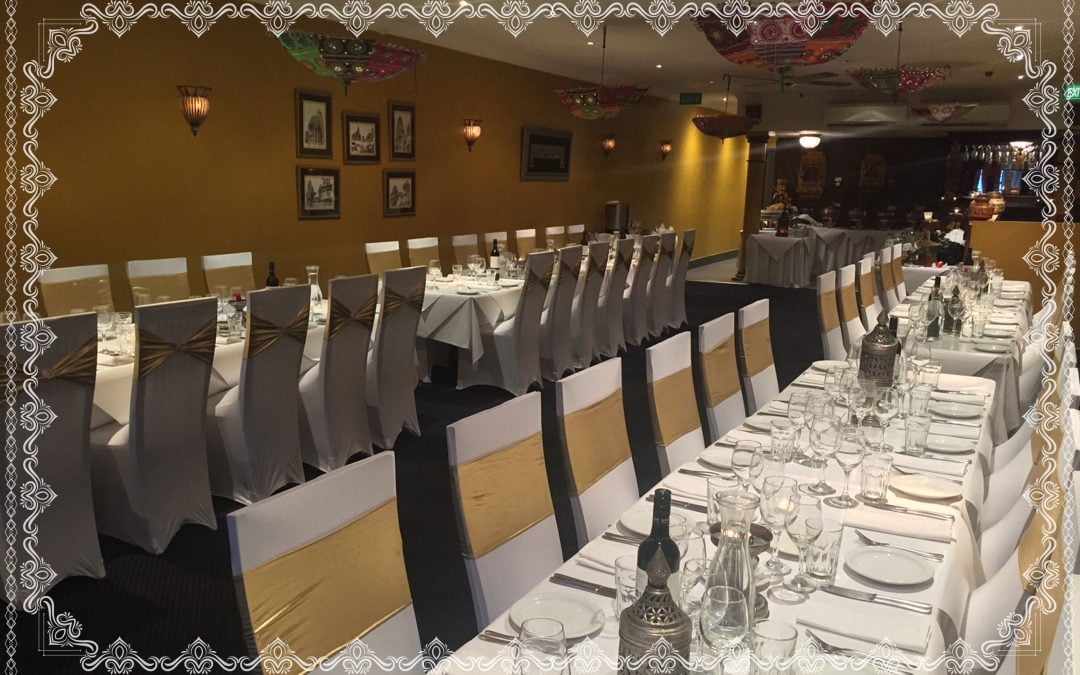
Subcontinental culinary traditions represent a vast tapestry of micro-climates, royal legacies, and ancient trade routes. Historic royal kitchens once spent days perfecting complex spice pastes, slow-simmering gravies over smoldering bio-char charcoal, and inventing delicate breadmaking techniques. Modern food culture now bridges these ancient methods with contemporary culinary presentation, bringing centuries-old recipes into polished dining spaces.
Exploring regional Indian cuisine explained: from royal recipes to contemporary presentation helps food lovers appreciate the historical depth behind their favorite dishes. Understanding these origins transforms a standard meal into an engaging journey across India’s culinary geography. At Roti Boti, we honor these regal cooking heritage traditions while presenting them through refined plating standards suited for local dining audiences.
How Royal Kitchens Shaped Subcontinental Dining Culture
Royal courts across Northern, Central, and Southern India heavily influenced how spices, meats, and grains were combined. Royal chefs, known historically as khansamas, guarded secret spice formulations that defined the signature flavors of major dynasties.
Modern restaurants carry this heritage forward by preserving traditional cooking techniques while refining plate presentations. Guests enjoy balanced spice extraction, tender slow-cooked meats, and elegant visual arrangements without sacrificing authentic flavor depth.
Major Culinary Legacies of Royal Empires
- Mughlai royal courts: Introduced rich cashew pastes, saffron infusions, delicate meat marinades, and fragrance-driven biryanis.
- Rajputana kitchens: Perfected game meat preparations, slow-roasted spices, and long-lasting clarified butter preserves.
- Awadhi dum techniques: Developed sealed clay pot slow-cooking methods that lock in aromatic steam and subtle spice oils.
Comparing Regional Flavor Profiles Across India
Understanding regional differences allows diners to build balanced meals that showcase diverse flavor profiles on one table. We highlight three distinct culinary zones below.
1. The Royal North: Creamy Gravies and Charcoal Grills
Northern traditions center on rich tomato-based sauces, dairy-rich marinades, whole wheat flatbreads, and intense tandoor heat.
- Murgh Malai Tikka: Tender boneless chicken marinated in cream, garlic, and cardamom, roasted over white-hot coals.
- Dal Makhani: Whole black lentils slow-simmered overnight with butter, ginger, garlic, and pureed ripe tomatoes.
- Shahi Paneer: Fresh cottage cheese cubes bathed in a velvety cashew, onion, and cardamom gravy.
2. Coastal South and West: Coconut, Mustard, and Tamarind
Coastal regions rely on fresh seafood, coconut milk bases, mustard seeds, and tangy tamarind reductions for clean, vibrant tastes.
- Goan Fish Curry: Sustainable fish fillets poached gently in a spiced coconut gravy spiked with tamarind and curry leaves.
- Kolkata Mustard Prawns: Fresh local prawns tossed in dark mustard oil, green chillies, and yellow mustard paste.
- Vegetable Chettinad: Mixed vegetables cooked with black pepper, star anise, and freshly toasted coconut flakes.
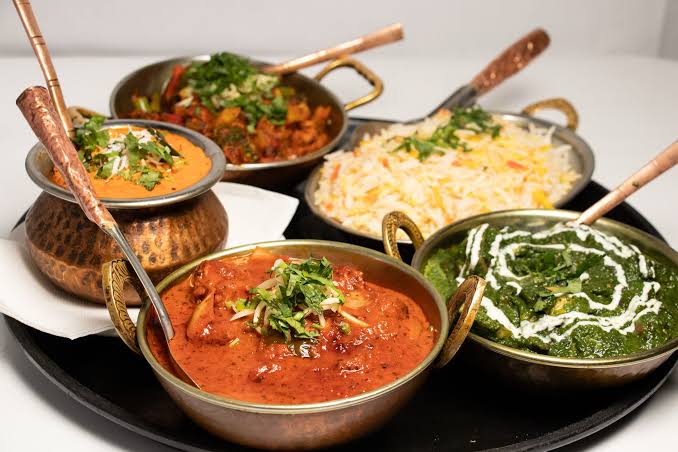
3. Contemporary Presentation and Modern Plating
Modern presentation reimagines rustic dishes through clean geometry, micro-herb garnishes, and balanced portioning.
- Deconstructed Samosas: Crisp pastry shards served over spiced potato mousse and mint-tamarind foam.
- Artisanal Naan Breads: Hand-stretched breads infused with garlic butter, fresh herbs, or nigella seeds, served fresh from the oven.
| Regional Zone | Primary Key Ingredients | Signature Cooking Method | Modern Presentation Style |
| Northern Royal | Cream, cashews, whole spices | Tandoor roasting & slow simmering | Polished copperware & velvet sauces |
| Coastal Southern | Coconut, tamarind, curry leaves | Quick poaching & mustard tempering | Minimalist bowls with vibrant colors |
| Awadhi / Lucknowi | Saffron, attar, rose water | Dum pot seal-cooking | Individual clay vessels & edible gold leaf |
| Modern Fusion | Local proteins, fresh herbs | Charcoal searing & pan reduction | Architectural plating with micro-greens |
How We Honor Culinary History at Roti Boti
Preserving ancient recipes requires culinary patience, authentic ingredient sourcing, and precise execution. Shortcuts like artificial dyes, pre-blended spice packs, and heavy vegetable oils dull regional identity.
At Roti Boti, we toast whole spices daily, grind small batches in-house, and slow-cook our Signature gravies according to traditional methods. Our kitchen team blends historical authenticity with refined presentation standards, ensuring every dish delivers rich taste and visual elegance.
Our Promises to Our Diners
- We source high-grade local proteins, fresh produce, and authentic imported whole aromatics.
- We prepare marinades from scratch using fresh yogurt, whole garlic, ginger, and ground spices.
- We maintain separate preparation protocols to respect diverse dietary requirements.
Practical Tips for Exploring Regional Menus
Balancing rich royal dishes with lighter coastal gravies creates a multi-course meal that keeps your palate refreshed. Pairing smoky tandoori starters with a coconut-based main course showcases contrasting preparation techniques in one dining session.
Asking your server for dish origin details adds an educational element to your dinner. Our team at Roti Boti loves sharing the historical background behind our menu items to help you choose the ideal combination.
Conclusion: Reserve Your Culinary Journey at Roti Boti Today
Discovering regional subcontinental cooking offers a delicious connection to ancient royal courts and coastal heritage. Combining smoky tandoori small plates, velvet northern curries, and coconut seafood stews makes every dinner an unforgettable feast.
Experience authentic regional flavors refined for modern dining. Visit Roti Boti online to view our complete menu and reserve your dining table today.
Read More :
The Rise of Modern Indian Fine Dining in Melbourne’s Bayside Suburbs