
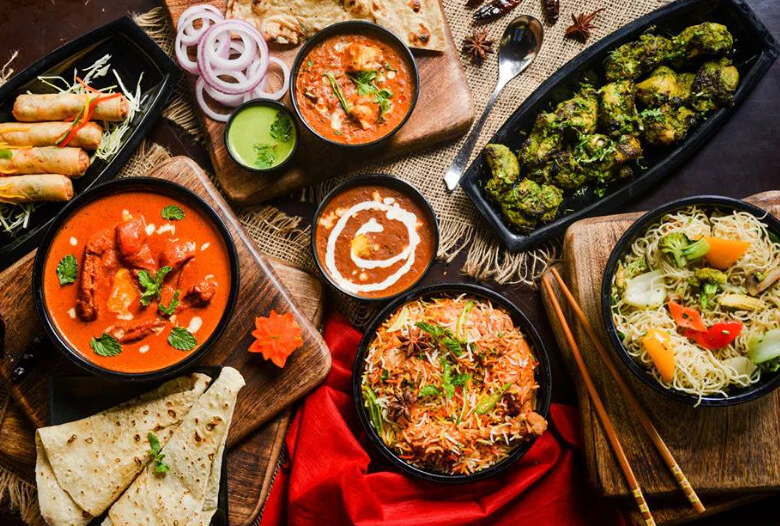
Walking into a fine dining Indian restaurant for the first time can feel a little overwhelming. The menu is long. The names are unfamiliar. And everyone around you seems to know exactly what they’re doing.
We get it. We’ve been there.
But here’s the truth: fine dining Indian cuisine is one of the most rewarding food experiences you can have, once you understand what you’re looking at. This guide will walk you through everything, from how the menu works to what to order first.
What Makes Fine Dining Indian Food Different
Not all Indian food is the same. Fine dining takes traditional recipes and elevates them with better ingredients, refined presentation, and more complex flavour layering.
At Roti Boti, the kitchen draws from rich North Indian culinary traditions, blending bold spices with modern plating. It’s not just a meal. It’s a considered experience.
Here’s what sets it apart:
• Slow-cooked proteins with deep, layered marinades
• Tandoor-fired breads made fresh, not pre-packaged
• Regional sauces built from scratch, not from a jar
• Thoughtful spice balance where heat is never the only story
How the Menu Is Usually Structured
Indian fine dining menus follow a familiar flow once you know what to look for.
Starters
These are often tandoor specialties or smaller plates. Think seekh kebabs, tikka bites, or chaat-style appetisers. They’re designed to open the palate, not fill you up.
Mains
This is where things get serious. Mains are typically split into:
• Curries and gravies (like butter chicken, rogan josh, or dal makhani)
• Dry dishes and stir-fries (great with bread)
• Biryanis and rice-based dishes (often served as a centrepiece)
Breads
Always order bread. Always. Garlic naan, laccha paratha, tandoori roti — these aren’t sides. They’re part of the meal architecture.
Desserts
Indian desserts are often dairy-based and richly sweet. Gulab jamun, kulfi, phirni — order at least one. You won’t regret it.
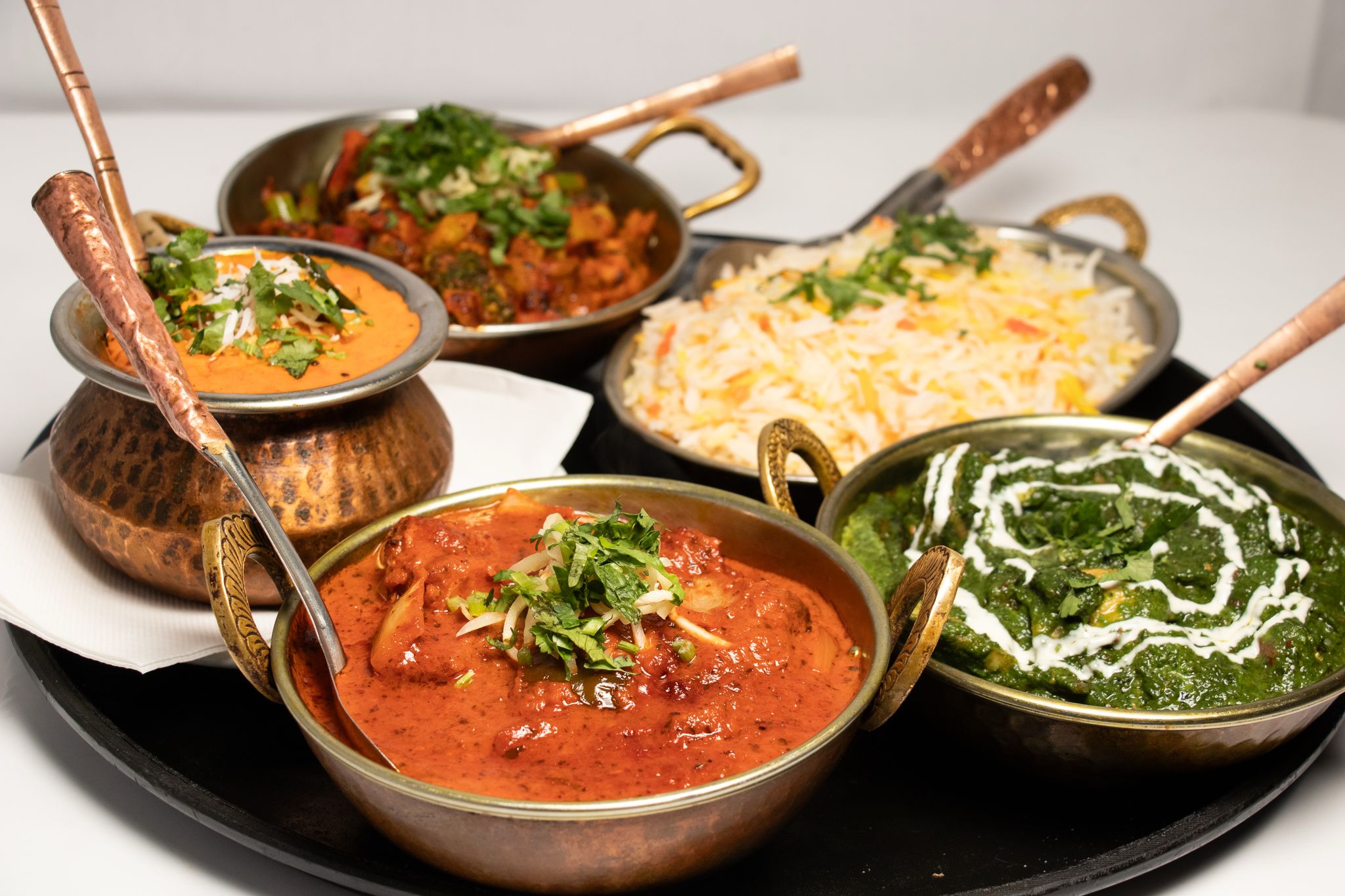
How to Order Like a Pro
Here’s what experienced diners do differently.
1. Start with a tandoor dish It sets the tone. The tandoor oven produces a smoky, slightly charred quality that’s unlike anything else. It also tells you a lot about how a kitchen operates.
2. Balance your table Mix wet and dry dishes. A rich curry needs a dry accompaniment, maybe a seekh kebab or a dry lamb preparation. Don’t order five gravies and wonder why everything tastes the same.
3. Order bread over rice (at least partially) Bread lets you eat more interactively. It’s also just more fun. Get one rice dish if you want, but anchor the table with bread.
4. Ask about heat levels A good kitchen will adjust. Don’t assume “mild” means flavourless. Indian spices are about aroma, not just fire.
5. Share dishes Fine dining Indian cuisine is built for sharing. Three to four dishes for two people is about right. Five if you’re feeling ambitious.
What to Drink With It
Indian fine dining pairs well with:
• Lassi (sweet or salted) to cool the palate
• Mocktails with rose or cardamom for something elegant
• Sparkling water between bites to cleanse and reset
A Few Things Worth Knowing Before You Go
• Meals at Roti Boti are crafted with fresh, quality ingredients, not shortcuts
• The Melbourne Indian dining scene has grown significantly; fine dining here means real technique, not just décor
• Portion sizes in fine dining tend to be considered, not enormous, so plan to order a few dishes
In Closing: Good Food Deserves a Little Preparation
Fine dining Indian food rewards curiosity. The more you engage with the menu, the better the experience. Ask questions. Try something unfamiliar. Mix textures and flavours deliberately.
At Roti Boti, the food speaks for itself. We just recommend showing up ready to listen.
Read More:
Need a Function Hall Near Hampton? Roti Boti’s Private Dining Space Is Perfect for Every Occasion
Butter Chicken vs. Tikka Masala: Understanding the Difference Between Two Classics